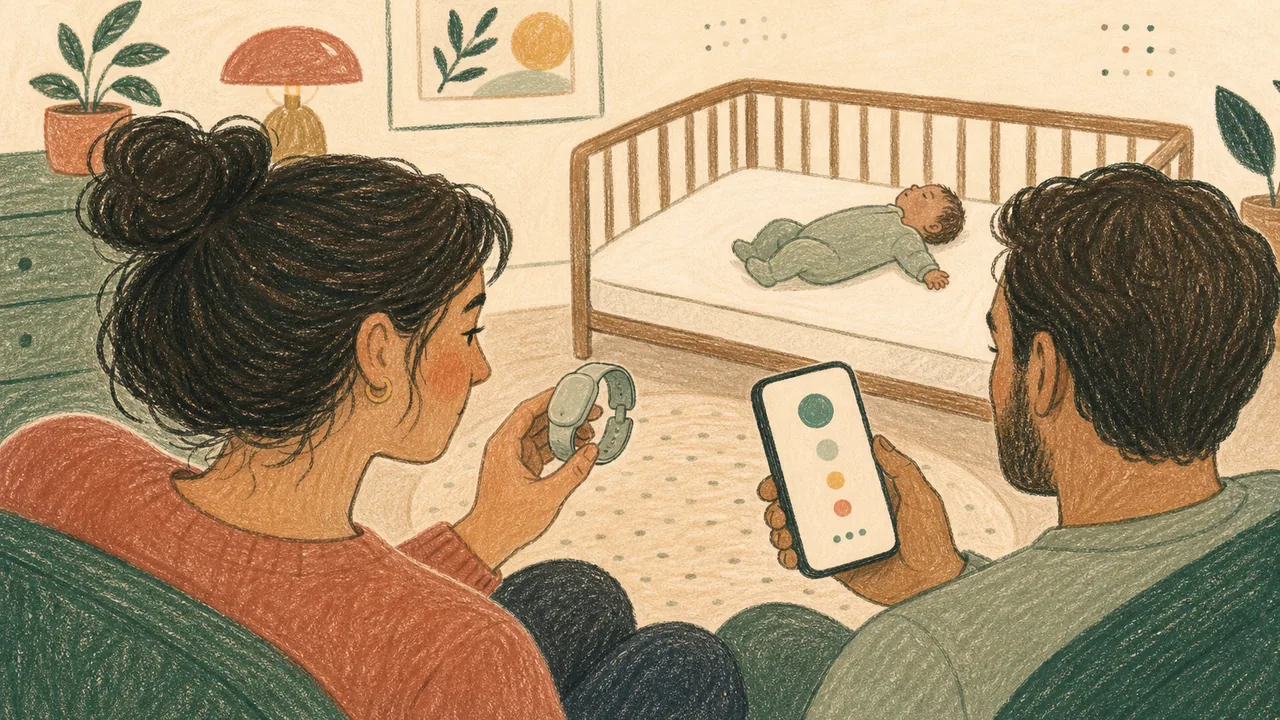
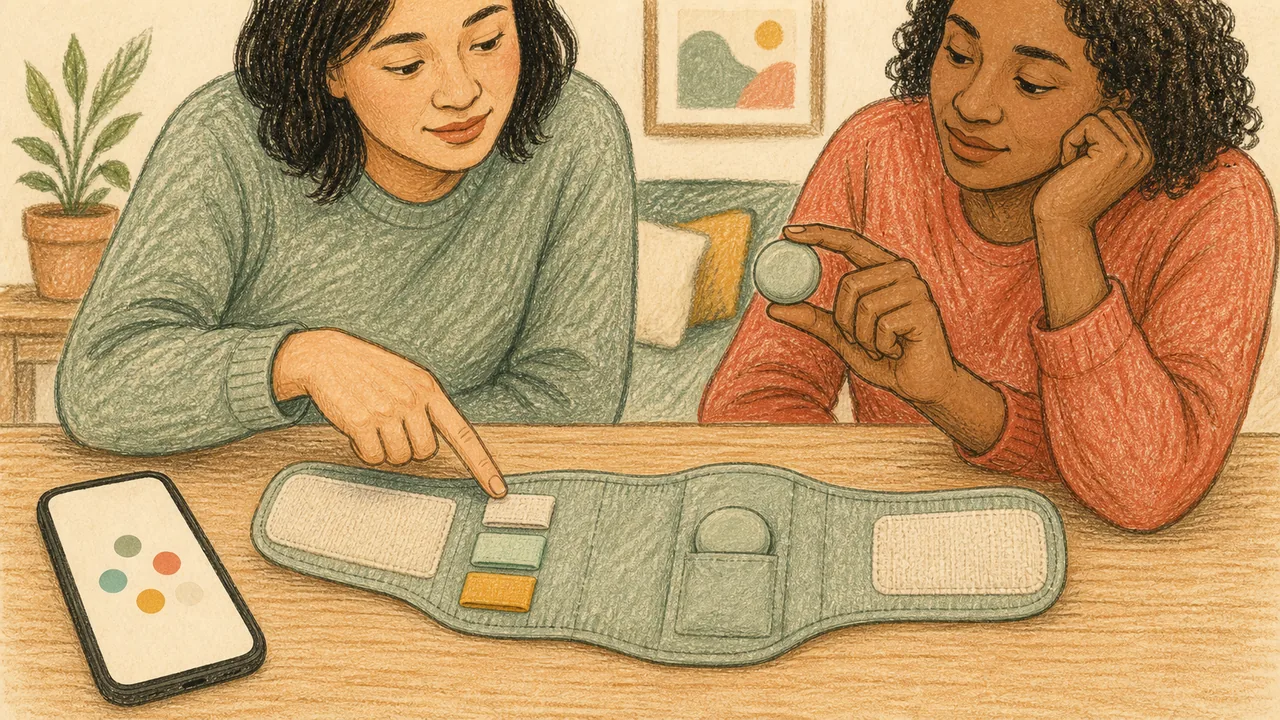
A baby health monitor is bought for reassurance, and reassurance is the one thing no product record can promise you. This category holds one cited profile, and the most useful thing its evidence does is describe the trade the device actually makes: it gives you information overnight, and it asks you to decide in advance what you will do with that information at 3am. These are the five questions to settle before you order one.
What it is for, and the line it does not cross
Start here, because every other question depends on it. The catalog record carries one standing caveat on the Owlet Dream Sock and it is a boundary rather than a feature: the device is not a substitute for safe-sleep guidance, supervision, diagnosis or emergency care, and you should check the current FDA-cleared indications before you rely on it for anything. The profile’s own verdict is scoped to exactly that — consider it only as an adjunct to safe-sleep practices, with the alert, fit and connectivity trade-offs reviewed first — and its best-for line is narrower still: caregivers who already understand the product’s stated monitoring scope and want app-based sleep information. Read that as the job description. A monitor that reports information is a different purchase from a monitor that keeps a baby safe, and only the first of those is what this record supports.
Whether the alerts will settle your anxiety or feed it
This is the question the cited evidence is most divided on, and the division is the finding. An expectant parent posting to r/BabyBumps in November 2023 opens the thread by explaining why they are considering one at all — bad anxiety about SIDS, after losing a brother to it. A reviewer on the Deets with Decks channel, posting in April 2023, describes the other end of the same experience: the alarm sounds on the base and on the phone so you know to check on your child, and it has been a huge peace of mind for them. Both accounts are about the same device and they point in opposite directions, which is why the record files peace of mind and anxiety as recurring public discussion rather than as a result either way. Before you buy, decide honestly which of those two households yours is. An alert you would find reassuring and an alert you would find unbearable are the same alert.
The owner complaint you should read in full before ordering
One cited account is considerably sharper than the others and it should not be paraphrased away. A commenter replying in that same r/BabyBumps thread on 2023-11-21 writes that the Owlet has burned babies’ feet, that it gives a false sense of security — their argument being that parents who trust it to alarm them become more likely to let a baby sleep in swings, bouncers or adult beds — and that it has false alarms. That is one owner’s comment from 2023. It is not a defect report, not a regulatory finding, and not a consensus; this catalog files alerts and false alarms and sock fit and skin as themes that recur in public discussion, not as measured outcomes, and the record’s confidence is medium. It is quoted here in full because the middle of those three allegations is a real design question worth carrying to the decision: whether owning the device would change what the rest of your sleep setup looks like. Check current safety and recall notices from Owlet and from your regulator directly, and treat sock fit and skin checks as part of ordinary use rather than as troubleshooting.
What the app, the phone and the network have to be like
The record’s compatibility line is short and each clause in it can rule the product out: the Owlet app, a supported phone, Wi-Fi, and the stated infant age and weight limits. The age and weight limits matter most and are the easiest to skip — a sock sized for an infant has a window it fits, and buying before or beyond that window buys a device that cannot be worn. Wi-Fi is the other dependency, and it is a dependency the product’s whole purpose runs through, so it is worth knowing how the nursery corner of your network behaves before you rely on an overnight alert reaching a phone in another room. The profile’s skip-if names the failure mode to weigh against all of it: skip this if alerts would intensify anxiety, or if anyone in the household might treat a consumer monitor as a substitute for safe sleep or for medical care. No price appears in this guide on purpose — the catalog says to verify current device pricing and any service terms directly with Owlet, so the figure you find today is the only one worth planning around.
How much evidence stands behind any of it
Four independent sources are cited on this profile — two owner comments from a single r/BabyBumps thread and two YouTube reviews — and the newest of the four was published on 2023-11-21. Family Tech Finder has not hands-on tested this device. None of the four is confirmed against the exact current version, and the record’s coverage panel records both gaps plainly: no current evidence is included, and exact- or current-version evidence is below the three-source target this catalog sets. Two further things are worth knowing about the sources themselves. Both owner comments come from the same discussion thread, so they are two voices rather than two independent communities. And both video reviews are flagged as carrying commercial signals — the Dad Verb excerpt runs into a subscription pitch mid-sentence — which does not make either account false but does mean neither is disinterested. Read all four yourself, and weigh them as what they are: a small, ageing, and openly divided body of evidence about a product bought to make a household feel safer.